Navigating the Tumor Landscape: Comprehensive Insights on Oncology, Treatment Options, and Patient Support
In the complex realm of oncology, patients and their families often find themselves faced with a myriad of overwhelming decisions once a tumor, neoplasm, or malignancy is diagnosed. With the medical terminology swirling around—from carcinoma to chemotherapy—it's easy to feel lost in the chaos. Yet, within this intricate landscape lies hope driven by innovation, as treatment options evolve and expand. So how do we navigate through it all? Let’s dive into some groundbreaking therapies, unravel the fabric of patient support, and explore how innovative treatment paths like immunotherapy are reshaping the lives of those affected by cancer.
Imagine a world where a patient diagnosed with a tumor is not solely reliant on traditional chemotherapy or radiation. Well, that world is becoming a reality. With advancements in medical research, immunotherapy has emerged as a beacon of hope for many battling carcinoma. This therapeutic approach empowers the body’s immune system to recognize and combat cancer cells. It asks an intriguing question: What if we could unleash our own biological defenses to fight back against this fierce adversary? In combating malignancy, these therapies have provided renewed vigor and outcomes that were previously inconceivable for patients and their families.
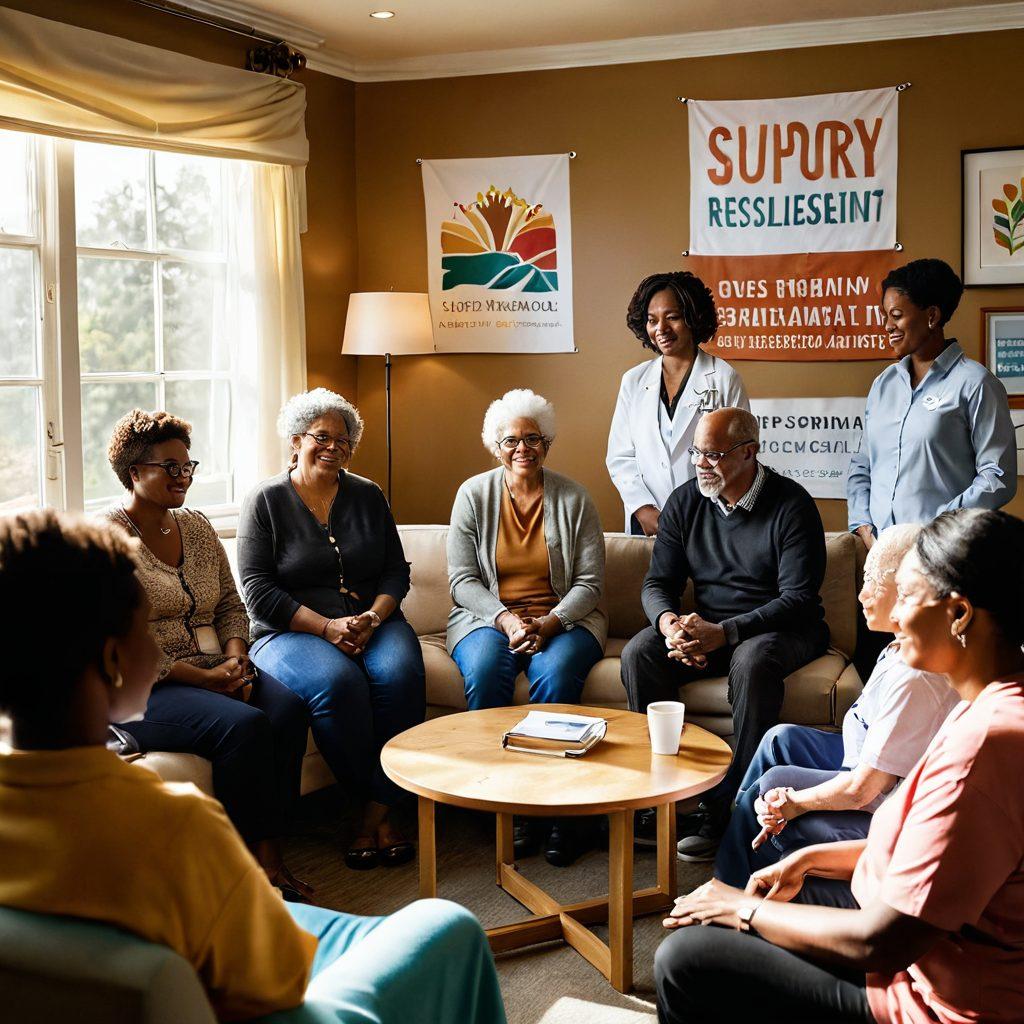
But treatment doesn’t exist in a vacuum! Successful navigation through the tumor landscape also hinges on an effective support system. Patient advocacy and community resources play pivotal roles in this journey. Support groups, whether in-person or online, unite individuals who share similar experiences, offering solace and understanding. They serve as reminders that we are not alone in this battle. Plus, with health education initiatives popping up everywhere, it's now easier than ever to access medical information and gain insights into lifestyle changes that can promote well-being. Have you considered how health awareness could influence your survivorship journey?
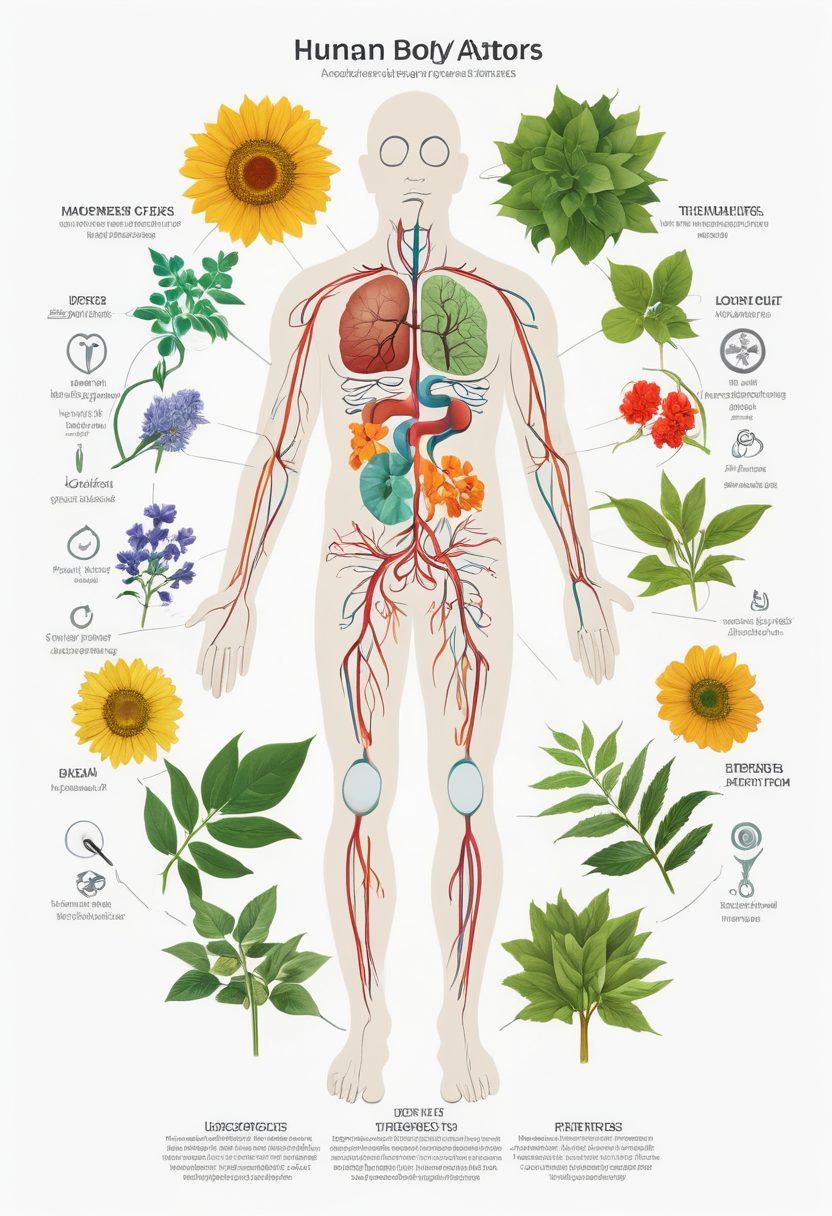
Being well-informed opens a plethora of options for care and preventive measures that enhance overall quality of life. The opportunities for self-care, paired with palliative care and clinical research studies, help patients not only cope with the symptoms associated with treatments but also foster a holistic health approach. After all, our bodies are interconnected, and nurturing oneself physically and mentally can significantly impact the course of treatment. Are you taking charge of your health and incorporating holistic methods into your everyday life?
In a world that is vibrantly evolving with technological advancements and medical breakthroughs, the responsibility of fostering an informed patient rests not only on healthcare professionals but also on individuals and communities. By exploring innovative treatment paths and utilizing available resources, we empower ourselves and others in our community. Together, we can improve health outcomes, raise awareness about tumors and malignancies, and emphasize the importance of self-care. So, are you ready to join the conversation and contribute to a culture of understanding surrounding cancer care?
Empowering Patients: Support, Advocacy, and Survivorship Strategies
The journey of navigating the tumor landscape is often filled with uncertainty, fear, and a whirlwind of medical terminology that can leave any patient feeling overwhelmed. But what if I told you that the power to empower lives within you? The realm of oncology can seem like a maze — from the moment you're handed that diagnosis of neoplasm or malignancy to the various treatment options like chemotherapy, radiation, and immunotherapy. Yet, there's a beacon of hope in patient support, advocacy, and survivorship strategies that can illuminate your path towards health and well-being.
Imagine standing at the crossroads of your health, hearing the word carcinoma echo in your mind. It’s an alarming moment — a diagnosis that brings questions like, 'What do I do next?' or 'How can I take charge of my treatment?' This is where patient support becomes revolutionary. Engaging in community resources and support groups not only allows for sharing personal stories but also builds a network of strength that fuels your fight against the tumor. Did you know that 70% of cancer patients who connect with support groups report feeling more positive about their treatment? It’s the simple yet profound impact of companionship during a challenging time.
Each step towards survivorship is an opportunity to advocate for yourself and others embarking on a similar journey. Health education is crucial. Knowledge about your condition, treatment options, and holistic health practices can empower you to make informed decisions. What lifestyle changes can you implement that align with your treatment goals? Perhaps adopting a healthier diet or incorporating self-care rituals into your routine will enhance your quality of life. Remember, 'The greatest wealth is health', and making informed choices is the first step toward reclaiming it.
In the realm of oncology, clinical research plays a pivotal role. With ongoing studies seeking improved therapies and preventive care measures, patients today are presented with a multitude of options that were not available a generation ago. The key is to stay informed and ask questions. How can the latest treatment options impact your path? Could participation in a research study bring new hope? Embracing the role of patient advocacy — whether for yourself or for loved ones — transforms you into a vital part of the healthcare dialogue. Advocacy is not just about seeking answers; it's also about contributing to the broader understanding of malignancies.
Lastly, as you transition from treatment to survivorship, keep a focus on palliative care and your overall well-being. Engaging in healthy living practices and fostering self-awareness can significantly elevate your quality of life. Survivorship is about learning to thrive, not just survive. The future is bright, fueled by hope, resilience, and a commitment to ongoing health awareness. So, ask yourself: what will your legacy of survivorship look like? How will you inspire future generations facing the complexities of cancer? Together, let's harness the power of knowledge, community, and self-care to navigate the tumor landscape with courage and strength.
Understanding Tumors: Diagnosis, Prevention, and Holistic Approaches to Care
When confronting the word 'tumor,' a flurry of emotions can erupt, often igniting anxiety in patients and their loved ones. But understanding tumors—be they benign neoplasms or aggressive malignancies—can lead to empowered choices in the realm of oncology. This journey through diagnosis, prevention, and holistic care will illuminate pathways to wellness and resilience, paving the way for informed decisions and vital patient support. Are you ready to navigate this complex landscape?
Diagnosis is our first stepping stone in the world of tumors. It’s often through the deciphering of symptoms and medical information that the journey begins. Each sign can play a significant role—from persistent fatigue and sudden weight loss to unexplained pain. Knowing your body is crucial. With advancements in clinical research, tests like biopsies and imaging have become more sophisticated, making it easier for medical professionals to detect tumors early. But what happens when the words 'carcinoma' or 'malignancy' echo through the consultation room? It's essential to remember: every diagnosis carries with it the possibility for action, hope, and the chance to pursue a myriad of treatment options, including traditional therapies like chemotherapy and radiation, or innovative approaches such as immunotherapy.
Now that we've touched on diagnosis, let’s pivot toward prevention. Did you know that lifestyle changes can significantly reduce cancer risk? Embracing healthy living through diet, exercise, and avoiding smoking can bolster your defense against many types of tumors. In fact, a well-balanced diet rich in antioxidants, complemented by regular physical activity, can not only improve overall health awareness but also lay the groundwork for preventive care. Think of your body as a garden: the more care you provide, the less likely diseases like tumor growth will take root. How can you cultivate your garden today?
The discussion around tumor care would be incomplete without acknowledging survivorship and the essential pillars of patient support. Once treatment options are selected, the landscape shifts toward living with or beyond cancer. Palliative care and self-care practices become critical here, providing not just relief but a bridge back to normalcy. Support groups offer a silver lining, creating community resources that empower patients through shared experiences. Remember, reaching out to others who understand can foster emotional health and create lasting bonds. Have you found your community yet?
As we delve deeper into the holistic approaches to care, we must not underestimate the power of education—be it through research studies, workshops, or support networks. With the rapid evolution in medical information, taking an active role in health education can amplify the effectiveness of therapies and enhance well-being. Every conversation about tumors opens the door for more knowledge, and every question asked can lead to resources you never knew existed. This holistic health approach empowers individuals to reclaim their narratives, transform fear into action, and inspire those around them. What will be your next step in advocating for your health?